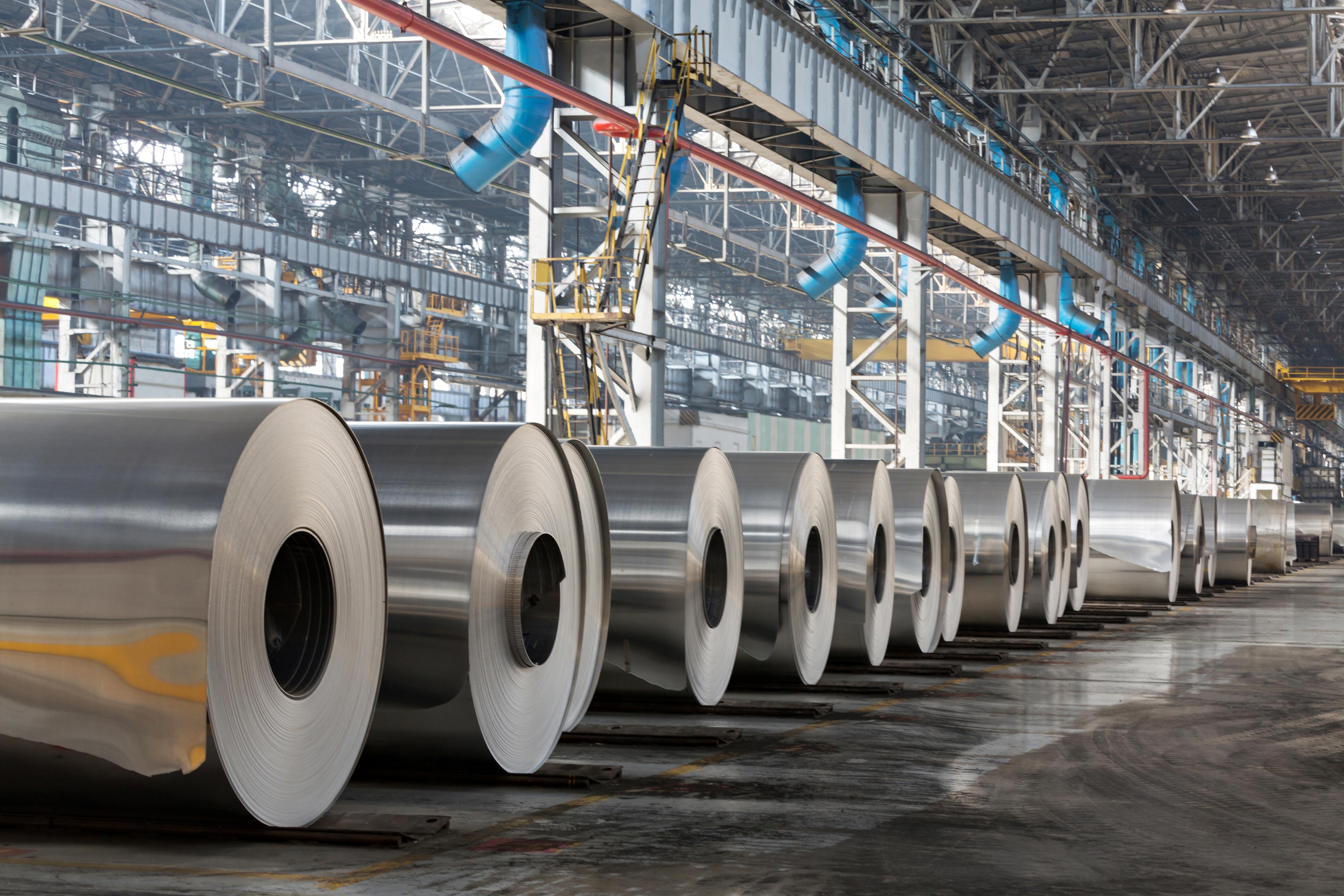
- EIB provides €75 million loan to Austrian aluminium producer AMAG for research, digital and green advances.
- Credit represents first EIB operation in Austria under TechEU programme.
- Financing to strengthen Europe’s industrial base and supply of critical raw materials.
The European Investment Bank (EIB) is lending AMAG Austria Metall AG, Austria’s leading aluminium producer, €75 million for technological advances in research, development and manufacturing. AMAG will use the EIB loan to develop cutting-edge aluminium products and to promote the digitalisation and environmental sustainability of manufacturing processes at the company’s plant in Upper Austria.
The financing represents the first loan in Austria by the EIB under its TechEU programme to accelerate industrial innovation in Europe. The credit contributes to AMAG investments that have total projected costs of €168 million in the 2025-2028 period.
“This is a flagship example of strategic investment in research, digitalisation and sustainable production,” said EIB Vice-President Karl Nehammer. “We are supporting one of Europe’s most technologically advanced industrial players and, in the process, strengthening Europe’s competitiveness and industrial resilience.”
He and members of AMAG’s Board of Directors met at the company’s production site in Ranshofen. The signing ceremony underscores the importance to Europe’s industrial base of the Ranshofen site, which employs 2000 people.
“The EIB financing enables us to implement long-term innovation projects and further expand our technological position,” said AMAG Chief Executive Officer Helmut Kaufmann. “With one of the world’s most modern plants, strong recycling expertise and intensive R&D activities, we set benchmarks in sustainable materials development.”
More than half of AMAG’s products are specialised high-value applications used in industries including automotive and aerospace. In 2024 AMAG had an R&D intensity of 1.6% of revenue – the highest among western aluminium producers. The company plans to develop, among other things, innovative rolled and cast aluminium products for use in a wide range of industries, including the aircraft, automotive, sporting goods, lighting, mechanical engineering, construction, and packaging industries.
In addition to supporting Europe’s industrial competitiveness, sustainable growth and digital transformation, the EIB loan advances a European Union goal to secure a sustainable, diversified and stable supply of critical raw materials, which include aluminium. The operation benefits from backing under the InvestEU programme.
Background information
EIB The EIB Group
The European Investment Bank (ElB) Group is the long-term financing institution of the European Union, owned by its Member States. In 2025, the EIB Group signed €100 billion of new financing for over 870 high-impact projects in eight core priorities that support EU policy objectives: climate action and the environment, digitalisation and technological innovation, security and defence, cohesion, agriculture and bioeconomy, social infrastructure, strong global partnerships and the savings and investment union. High-quality, up-to-date photos of the organisation’s headquarters for media use are available here.
The high number of applications shows the importance of the Critical Raw Materials Act to providing clarity to project promoters, potential investors, industry, and Member States. For industry, these projects will help diversify supply and build up the value chain in line with the objectives of the CRMA, providing, secure access to materials essential for the EU’s strategic energy, digital and defence sectors. This is a cornerstone of Europe’s economic security and long-term strategic autonomy.
The projects that applied for strategic project status include most of the strategic raw materials identified under the CRMA. Of these, 75 projects could support the battery value chain, 21 focus on rare earth elements for permanent magnets (vital for wind turbines and other renewable applications), while various project applications relate to defence. The Commission received 95 applications from within the EU and 66 from outside the EU, including 40 from countries and overseas countries and territories (OCTs) with which the EU has a strategic partnership on raw materials. All applications will undergo an in-depth assessment supported by independent experts. The Commission will then discuss the results with the Member States before finalising the selection of strategic projects.
In the first strategic project collection launched in August 2024, 170 projects applied for strategic status, with 60 ultimately being selected. The objective of the European Critical Raw Materials Act, which entered into force on 23 May 2024, is to secure a diversified, resilient, and sustainable supply of critical raw materials for EU industry. The first selection round led in 2025 to the designation of 47 strategic projects in the EU and 13 projects in third countries and OCTs. The RESourceEU Action Plan is accelerating the delivery of these strategic projects.